 +86 183 6377 3366






0102030405
New Developments in the Glassware Industry: Consumption Scene Innovation, Regional Market Rise, and Recyclable Technology Breakthroughs
2025-09-29
Against the backdrop of the global Glassware industry's green transformation and design upgrading, the expansion of emerging consumption scenarios, the differentiated growth of regional markets, and breakthroughs in recyclable technologies are becoming new engines driving the industry's development. From the upsurge of "minimalist living" glassware in Japan to the rapid rise of local brands in India, and then to technological innovations in recyclable glass materials, the industry is showing a diversified development trend.
Consumption Scene Innovation: From Home to Outdoor, Glassware Functions Get Further Upgraded
with the diversification of consumers' lifestyles, the application scenarios of glassware continue to expand, and functional designs are becoming more segmented. In Japan, the concept of "minimalist living" is prevalent, spawning a batch of glassware products focusing on "multi-purpose in one item". The well-known home brand MUJI launched the "Stackable Multi-functional Glassware" series, which uses thin heat-resistant glass material. The cup bodies can be nested for storage, saving space while being suitable for various drinks such as coffee, tea, and juice. In the first month of its launch, this series sold over 500,000 units in Japan, becoming a popular item for home life.
The outdoor scene has also become a new track for glassware enterprises to compete for. The American outdoor brand Hydro Flask launched the "Shockproof Portable Glassware", with the outer layer of the cup body wrapped in food-grade silicone sleeves, which not only effectively prevents shock but also plays a role in heat insulation. At the same time, the supporting sealed cup lid adopts a magnetic design, which is convenient for one-handed opening and closing, meeting the needs of outdoor scenarios such as camping and hiking. Data shows that in the first half of 2025, the sales volume of the global outdoor-specific glassware market increased by 35% year-on-year, among which this series of products from Hydro Flask contributed nearly 20% of the share.
Image 1: MUJI "Stackable Multi-functional Glassware" (Left) and Hydro Flask "Shockproof Portable Glassware" (Right). (Source: MUJI and Hydro Flask Official)
Regional Market Rise: Indian Local Brands Capture the Mass Consumer Market
In the Asian market, India is emerging as a new growth pole in the glassware industry. In the past, the Indian glassware market was mainly dominated by imported products from China, Thailand, and other countries. However, in recent years, local brands have risen rapidly relying on cost-effectiveness advantages and accurate grasp of local consumer demand. The local enterprise Tupperware India launched the "Economical Heat-resistant Glassware" series, which optimized the cup capacity and heat-resistant performance for drinks commonly used in Indian families, such as milk tea and lassi, with a unit price only half of that of imported products. After its launch, this series quickly occupied 30% of the Indian mass consumer market, with an annual sales volume exceeding 10 million units.
To further enhance competitiveness, the Indian government has also introduced policies to support the development of the local glassware industry. In the upgraded "Make in India" plan launched in 2025, glassware was included in the category of key supported light industrial products, providing a maximum subsidy of 20% for the technological research and development of local enterprises. Driven by this policy, more than 50 glassware production enterprises in India have launched production line upgrades. It is expected that by 2026, the production capacity of local glassware in India will increase by 40%, and the import dependence will drop from the current 45% to below 25%.
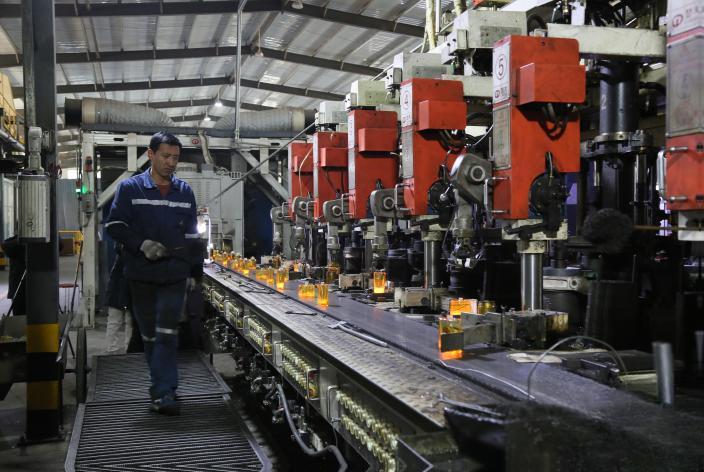
Image 2: Production Line and Product Display of Tupperware India "Economical Heat-resistant Glassware". (Source: Tupperware India Official)
Recyclable Technology Breakthrough: 100% Recycled Glass Realizes Commercial Application
Environmental protection and sustainability remain the core themes of the glassware industry's development. The commercial application of 100% recycled glass technology has injected new impetus into the green development of the industry. The Dutch glass manufacturing enterprise Royal Leerdam announced that its developed "full recycled glass manufacturing technology" has realized large-scale production. This technology can directly convert recycled waste glassware into new glass raw materials without adding new sand, and the energy consumption in the production process is 25% lower than that of traditional processes.
At present, Royal Leerdam has cooperated with many European chain supermarkets to launch the "Recycled Glass Water Cup" series, with the product packaging clearly marked "Made of 100% Recycled Raw Materials". After its launch, this series of products has been favored by consumers due to its environmental protection attribute, with a market penetration rate of 60% in Europe. It is expected that the annual sales volume will exceed 8 million units in 2025. In addition, the enterprise also plans to license this technology to partners in Asia, Africa, and other regions to promote the development of the circular economy in the global glassware industry.
Chinese enterprises are also actively exploring in the field of recycled glass. Shandong Jingyao Glass Group has built China's first complete industrial chain production line of "waste glassware recycling - recycling - production", with an annual capacity of processing 50,000 tons of waste glassware and producing 30 million units of various recycled glassware products. The commissioning of this production line not only reduces the enterprise's dependence on primary raw materials but also provides a reference model for the sustainable development of China's glassware industry.
Future Trend: Integration of Personalized Customization and Intelligent Technology
Looking forward to the future, the integration of personalized customization and intelligent technology will become a new growth point in the glassware industry. The Italian design brand Seletti launched the "3D Printing Customized Glassware" service. Consumers can upload patterns and texts through the online platform to customize exclusive glassware, and the product only takes 72 hours from design to delivery. This personalized service has attracted a large number of young consumers, with the order volume exceeding 100,000 within half a year of its launch.
Intelligent glassware is also gradually moving from concept to reality. Huawei has cooperated with Domestic glass enterprises to launch the "Intelligent Health Glassware", with a built-in sensor in the cup body, which can real-time monitor the drink temperature and water intake, and connect to the mobile APP via Bluetooth to provide users with drinking health suggestions. At present, this product has been launched on Huawei Mall, priced at 299 yuan, and the sales volume exceeded 20,000 units on the first day of sales, showing broad market prospects.
With the continuous upgrading of consumer demand and the continuous innovation of technology, the glassware industry is developing in a more segmented, more environmentally friendly, and more intelligent direction, and will present a more diversified competitive pattern and product form in the future.