 +86 183 6377 3366

0102030405
Glass Bottle, Jar, and Glass Industry: Global Policy Shifts and Environmental Impacts
2025-07-09
In recent years, the Glass Bottle, jar, and glass industry has been significantly influenced by evolving global policies and environmental concerns. As the world increasingly focuses on sustainability, this traditional industry is undergoing a profound transformation.
Stricter Environmental Regulations Paving the Way for Change
Governments around the world are implementing more stringent environmental policies. For instance, in the European Union, there are ambitious goals to reduce plastic waste, which has led to a resurgence of interest in glass packaging. France is set to pilot a glass bottle deposit - return scheme in several regions in 2025 as part of its Anti - Waste and Circular Economy Law. This aims to boost the recycling rate of glass containers and cut down on single - use plastics. Similarly, many countries in Asia are also stepping up their environmental regulations. China has released the "Day - use Glass Industry Standard Conditions (2023 Edition)", emphasizing green production, energy conservation, and emission reduction in the glass manufacturing process. This not only promotes the elimination of backward production capacity but also encourages the development of high - end, energy - efficient glass products.
Market Response to Policy - Driven Sustainability
In response to these policies, the market for glass products is witnessing a shift in demand. Consumers are becoming more environmentally conscious and are increasingly favoring products packaged in glass due to its recyclability and eco - friendliness. The global glass bottle and container market, which was valued at 609.1 billion US dollars in 2019, is projected to reach 772.5 billion US dollars by 2025, with a compound annual growth rate of 4.13% during 2020 - 2025. This growth is driven in part by the increasing preference for sustainable packaging in industries such as food, beverages, and cosmetics.
Technological Innovation and Industry Transformation
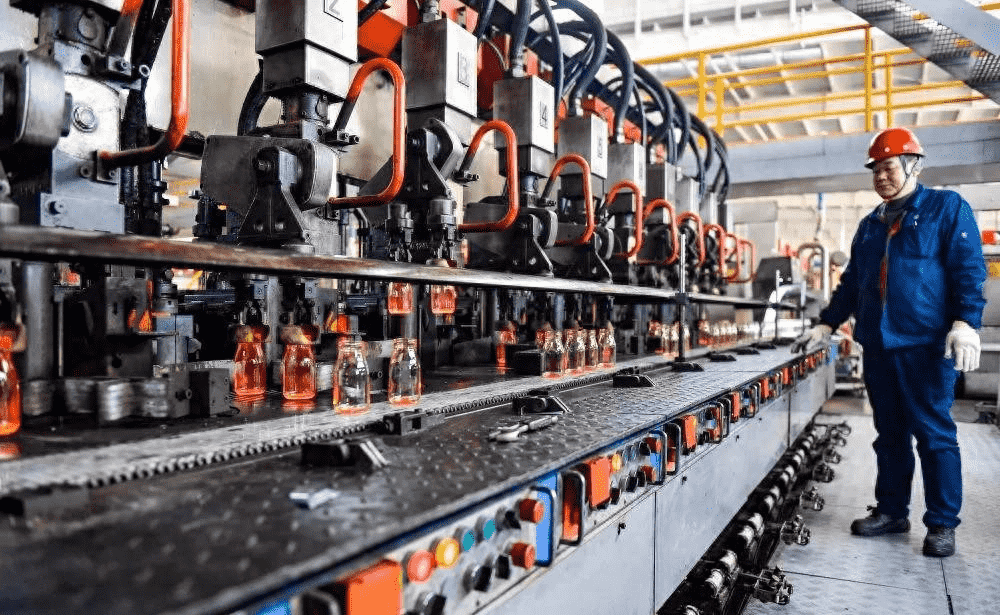
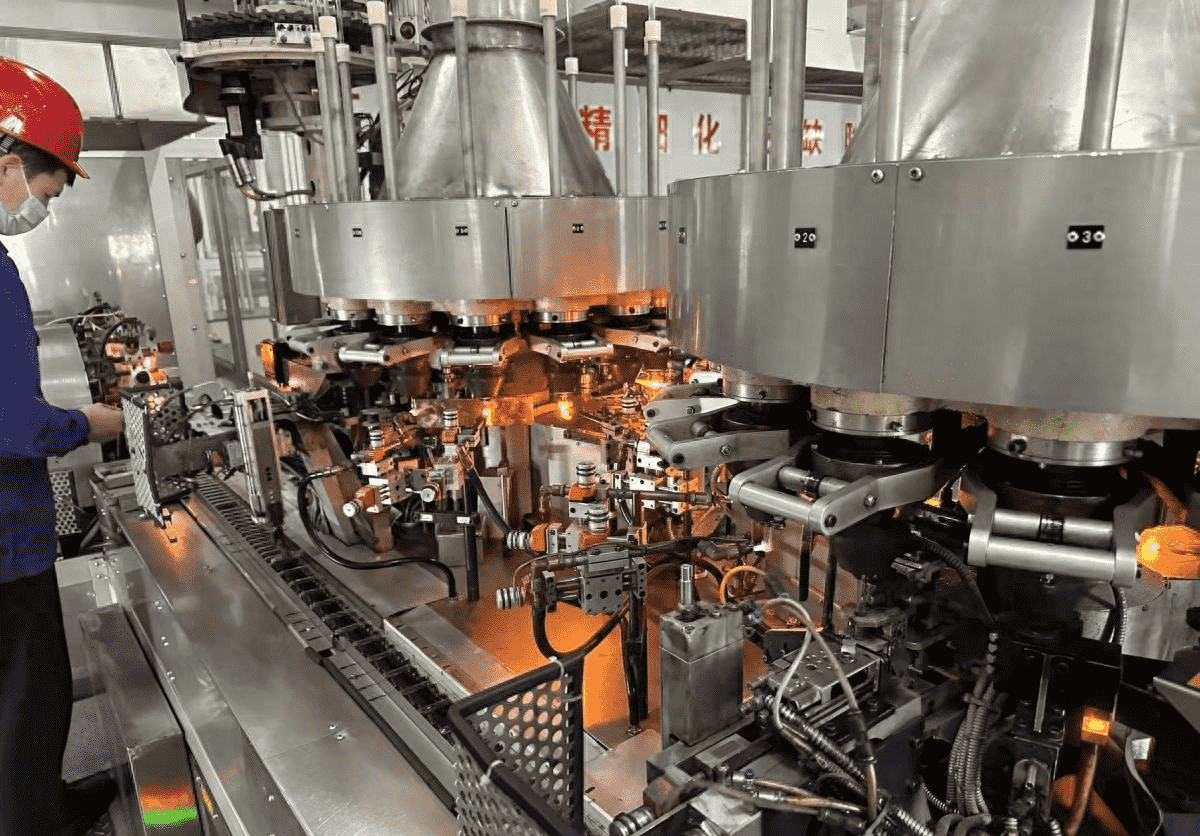
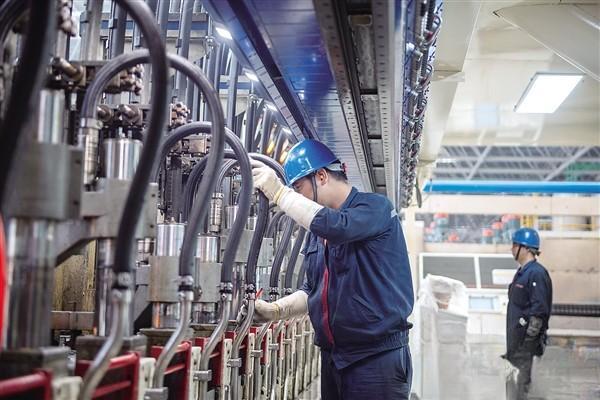
To meet the new requirements, glass manufacturers are investing heavily in research and development. Innovations include the production of lightweight glass bottles and jars, which not only reduce the amount of raw materials used but also lower transportation costs and carbon emissions. For example, some companies have developed glass containers made from a high proportion of recycled glass, up to 90% in certain cases. Moreover, new manufacturing processes are being adopted to improve energy efficiency and reduce pollution. The use of oxy - combustion technology in glass furnaces can significantly cut down CO2 emissions compared to traditional methods.
Challenges and Opportunities Ahead
However, the industry also faces challenges. The cost of complying with new environmental regulations and investing in new technologies can be high for some manufacturers, especially small and medium - sized enterprises. Additionally, the competition from other packaging materials, such as plastics made from recycled materials or biodegradable plastics, remains fierce. Nevertheless, these challenges also bring opportunities. The demand for high - quality, sustainable glass products in emerging markets, particularly in Asia and South America, is on the rise. Manufacturers that can adapt to the changing policy environment, invest in innovation, and meet the evolving consumer demands are likely to thrive in this new era of the glass industry.