What Are the Top Types of Beer Glass Bottles?
Beer has never been judged by liquid alone. The bottle shapes aroma, pouring speed, shelf presence, and even the drinker’s first expectation. This article, “What Are the Top Types of Beer Glass Bottles?”, examines the practical differences between longneck bottles, stubby bottles, Belgian-style bottles, swing-top designs, and larger specialty formats. Each Beer Glass Bottle serves a different purpose. A narrow longneck supports familiar retail handling. A thick stubby bottle feels stable in the hand. A swing-top closure adds theater, but it can increase cleaning and filling demands.
The market evidence supports a careful comparison. Smithers’ The Future of Glass Packaging to 2028 highlights glass’s continued role in premium food and beverage packaging, especially where product protection and brand presentation matter. The Brewers Association’s brewery benchmarking research also shows how packaging decisions remain connected to production scale, distribution, and consumer positioning. These reports do not identify one universal winner. They reveal trade-offs.
That matters.
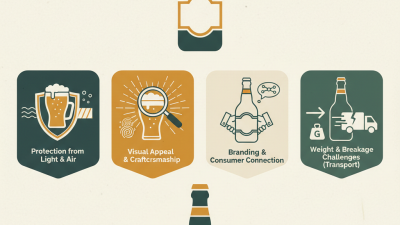
Scott DeFife, President and CEO of the Glass Packaging Institute, has stated, “Glass is infinitely recyclable and can be recycled endlessly without loss in purity or quality.” Its strength is clear. Yet glass is heavier than aluminum, and breakage remains a real operational concern. A visually impressive bottle may perform poorly during transport. A cheaper format may weaken a premium image. My assessment is intentionally practical, not absolute. The best Beer Glass Bottle depends on beer style, filling equipment, closure choice, logistics, and customer experience. Even experienced brewers can overlook one detail: the bottle must work both on the shelf and at the table.
Beer Glass Bottles: Definition and Main Characteristics
What Are the Top Types of Beer Glass Bottles?
Beer glass bottles are rigid containers designed to hold, protect, and serve beer. Most are made from soda-lime glass, which is strong, chemically stable, and resistant to flavor transfer. Glass does not easily absorb aromas, so the beer can retain its intended taste during storage.
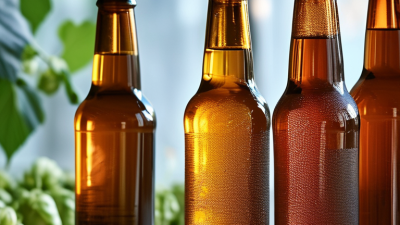
The main types differ by color, shape, and closure. Amber bottles block much of the ultraviolet light that can damage hop aromas. Clear bottles display beer color well, but they need careful storage away from bright light.
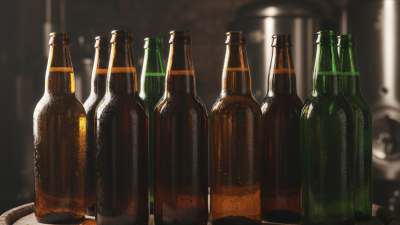
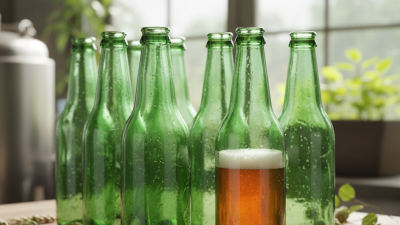
Green glass offers a familiar appearance, although it provides less light protection than amber glass. Long-neck bottles are easy to hold and pour, while short-neck bottles often feel sturdier and use less packaging space.
Some designs include swing-top closures, but crown caps remain common because they create a reliable seal.
In practical quality checks, I look for even glass thickness, a smooth neck, and a clean bottle mouth. Small defects can affect sealing or create weak points. Glass also preserves carbonation effectively, yet sudden temperature changes may cause thermal shock. This detail is easy to overlook.
Bottle weight matters too, because heavier glass may improve durability but increases transport energy. Recycled content can reduce environmental impact, although collection systems differ by region.
A careful choice should balance light protection, handling comfort, sealing performance, and total packaging weight. There is no perfect bottle for every beer.
Standard Beer Bottles for Everyday Brewing and Packaging
What Are the Top Types of Beer Glass Bottles?
Standard Beer Bottles for Everyday Brewing and Packaging
Standard amber glass bottles remain a dependable choice for everyday brewing and retail packaging. Common capacities include 330, 355, and 500 milliliters. These sizes fit household refrigerators, shipping cartons, and manual filling equipment. Brown glass also limits light exposure, which helps protect hop aromas and reduce flavor damage. Dark storage still matters.
Most standard bottles use a crown finish with a metal cap. This closure is affordable, fast, and widely compatible with capping tools. Brewers should inspect every bottle for chips, hairline cracks, and worn rims before filling. A bottle may look clean but remain unsafe under internal pressure. That step is easy to skip.
Industry data supports glass as a practical circular material. The Glass Packaging Institute states that glass is 100% recyclable without loss of quality. FEVE’s European container-glass data has reported collection rates near 80%. Recycling performance depends on local systems, however, not the material alone. This is where packaging plans often become too optimistic.
Clear glass can display color beautifully, but it offers weaker light protection. Green glass provides a middle option, although it is not a complete barrier. For routine packaging, amber bottles usually balance protection, availability, and cost. A 500-milliliter format may reduce unit handling, yet it increases breakage exposure during transport. The “best” bottle is rarely universal. Test the closure, fill level, crate fit, and storage conditions before ordering in volume.
Specialty Beer Bottles for Craft and Specialty Beers
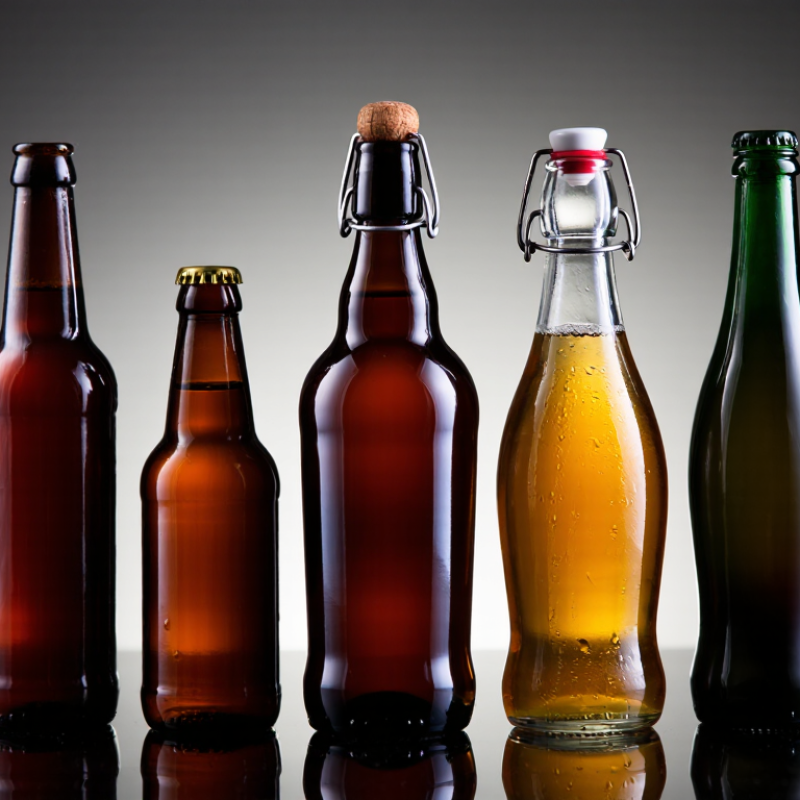
Specialty beer bottles give craft and specialty beers a stronger visual identity. Amber longneck bottles protect light-sensitive beer and suit everyday distribution. Belgian-style bottles use thicker glass and wider bodies. They support high carbonation and a ceremonial pour. Swing-top bottles add tactile appeal, although their seals require careful inspection.
The Brewers Association reported 23.4 million barrels of U.S. craft beer production in 2023. That scale shows why packaging must balance character with logistics. A 750-milliliter cork-finished bottle can frame a barrel-aged or limited-release beer.
Smaller 330-milliliter bottles may control serving size and reduce waste after opening. Heavy glass feels premium, but it also increases shipping weight and transport emissions.
Details matter. Check the punt, neck finish, closure fit, and glass color before filling. A poorly matched closure can flatten carbonation or create leakage. The Glass Packaging Institute identifies glass as recyclable without quality loss, but collection systems still vary widely by region. That point deserves more attention. Recyclability alone does not guarantee recovery.
I prefer bottles that match the beer’s technical needs, not only its appearance. A dark, thick-walled bottle may protect a delicate recipe. Yet excessive weight can undermine sustainability goals. The right choice remains a compromise between protection, shelf presence, cost, and practical handling.
Brown, Green, and Clear Glass: Differences and Uses
Glass color is a practical choice, not just a visual feature. Brown glass blocks the greatest amount of light, helping protect beer from light-related flavor changes. This matters when bottles sit near shop windows, outdoor coolers, or bright warehouse lamps. In packaging trials, brown bottles usually provide the safest protection for hop-forward beers. Still, brown glass is not a perfect shield. Poor storage can damage quality, even with dark glass.
Green glass provides moderate light protection and has a distinctive traditional appearance. It can suit beers with a lower sensitivity to light exposure, especially when storage conditions remain controlled. However, green glass allows more light through than brown glass. Clear glass offers the least protection, but it displays color, clarity, and carbonation beautifully. Use it carefully. A clear bottle should stay in cartons or shaded coolers whenever possible.
Bottle performance also depends on more than color. Thick glass can improve handling strength, while accurate closures help preserve carbonation. Inspectors should check for chips, cracks, uneven rims, and damaged seals before filling. I have found that appearance can sometimes hide a packaging weakness. Color is only one part of the decision. Brewers and packers should also consider transport distance, shelf lighting, storage time, and the beer’s sensitivity to light. A visually attractive bottle may still need better protection.
How to Choose the Right Beer Glass Bottle Type
Choosing the right beer glass bottle type starts with the beer’s sensitivity, storage conditions, and serving purpose. Amber glass is usually the safest choice for hop-forward beers because it blocks much of the damaging light. Clear glass displays color beautifully, but it needs careful storage away from sunlight and strong indoor lighting. Green glass offers a distinctive appearance, although its light protection is limited.
Bottle shape matters as much as color. A narrow neck can reduce oxygen exposure during filling and pouring. A wider opening may suit beers intended for a fuller aroma, but it can require a stronger closure. Standard capacities are practical for retail shelves, while smaller bottles work well for tastings, gift sets, or controlled portions. Check the bottle’s wall thickness, pressure rating, and compatibility with the filling line. Small mismatches create expensive delays.
Closure choice also deserves attention. Crown caps are efficient for high-volume packaging, while swing-top designs provide a reusable feel but need careful gasket inspection. In practical trials, a bottle can look attractive yet perform poorly during transport. I once underestimated carton spacing; several bottles shifted because the shoulders were too rounded. That mistake changed my selection process. Test filled samples for leakage, light exposure, label adhesion, and breakage before ordering in bulk. The perfect bottle on paper may still be awkward in real handling.

 +86 183 6377 3366
 Contact Email