Top 10 Glass Soda Container Suppliers Worldwide?
Choosing the right Glass Soda Container supplier affects product safety, branding, logistics, and customer experience. This guide examines ten established suppliers serving beverage companies across major international markets. It focuses on practical performance, not impressive claims alone.
The review considers bottle durability, closure compatibility, glass clarity, recycled content, customization, and production capacity. It also examines food-contact quality systems, factory audits, export experience, minimum order quantities, and delivery reliability. A successful supplier should provide consistent dimensions and protect bottles during transport. Small details matter, including neck finish accuracy, label adhesion, pallet stability, and resistance to pressure from carbonated drinks.
These suppliers serve different purchasing needs. Some specialize in high-volume standard bottles. Others support distinctive shapes, embossed logos, or smaller product launches. Manufacturing location also influences freight costs, lead times, and communication. Buyers should request recent test reports, production samples, and written specifications before placing an order.
No ranking can remain perfect. Pricing changes, factories expand, and regional availability shifts. Supplier information may also vary between public materials and real purchasing experience. Therefore, this list should support careful comparison rather than replace direct verification. Readers should confirm certifications, capacity, sustainability statements, and commercial terms with each company. A reliable decision combines documented evidence with hands-on sample testing. That step often reveals issues that a polished catalogue hides.
What Defines a Leading Glass Soda Container Supplier?
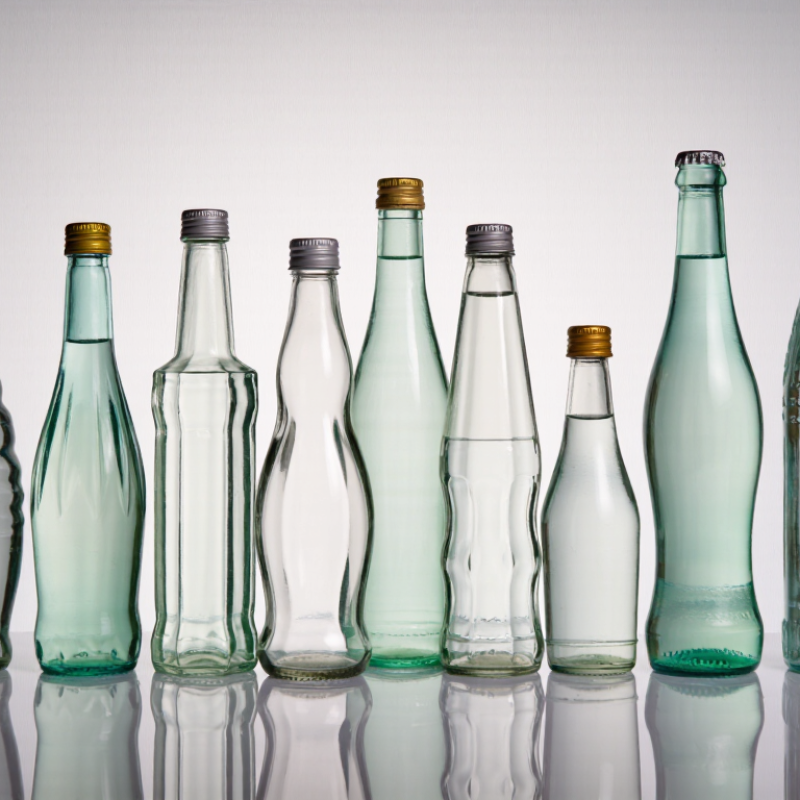
A leading glass soda container supplier is defined by more than production capacity. Reliable suppliers understand carbonation pressure, glass strength, and filling-line compatibility. They select food-grade materials and control wall thickness carefully. Small variations can cause serious problems during capping or transport.
Experience becomes visible in practical details. A capable supplier tests pressure resistance, thermal shock, surface defects, and closure accuracy. They should provide batch records, inspection results, and traceable quality documents. Their engineers can recommend suitable shapes for 250ml, 330ml, or larger bottles. They also understand pallet vibration, warehouse heat, and long-distance shipping. These details often matter more than attractive catalog photographs.
Tips: Ask for recent test reports, sample bottles, and production tolerances. Check whether the supplier can maintain consistent neck finishes across repeated orders. Discuss mold ownership, replacement timing, packaging protection, and emergency communication before signing an agreement. Sustainability also deserves evidence, not slogans. Ask about recycled glass content, energy controls, and transport efficiency.
No supplier is perfect. Even experienced manufacturers may face delays, mold wear, or unexpected breakage rates. A trustworthy partner admits these risks and explains corrective actions. Clear communication is a stronger quality signal than confident promises. Suppliers serving international buyers should also understand documentation, export packaging, and destination requirements. One overlooked detail can affect an entire shipment.
Key Criteria for Comparing Global Glass Bottle Manufacturers
Top 10 Glass Soda Container Suppliers Worldwide?
Key Criteria for Comparing Global Glass Bottle Manufacturers
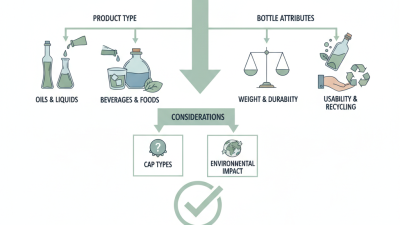
Comparing global glass bottle manufacturers requires more than checking catalog photos and unit prices. Evaluate production capacity, furnace stability, mold-making skills, and experience with soda bottle specifications. Ask for recent samples, not only polished brochures. Inspect the glass surface under direct light. Tiny bubbles, stones, scratches, and uneven walls can affect filling-line performance.
Technical evidence matters. Request data on bottle weight, internal pressure resistance, thermal shock testing, and dimensional tolerances. A reliable supplier should explain its inspection frequency and rejection process clearly. Check whether quality records are traceable by batch. Production engineers should also discuss recycled glass content without making unsupported environmental claims. The right ratio may depend on color, strength, and furnace conditions.
Commercial criteria deserve equal attention. Compare minimum order quantities, mold charges, packaging methods, export experience, and realistic lead times. Confirm how the supplier handles damaged pallets or unexpected production delays. A low quote can become expensive when breakage reaches a warehouse. Regional delivery distance also affects emissions and inventory planning.
No scorecard is perfect. Supplier claims still need independent verification. Factory audits, laboratory reports, and small pilot orders can expose gaps early. Communication quality is another practical signal. If technical questions receive vague answers, future problems may be harder to solve. Availability alone should never define the strongest manufacturer.
Top 10 Glass Soda Container Suppliers by Market Reach
Top 10 Glass Soda Container Suppliers Worldwide?
Market reach matters more than factory size when evaluating glass soda container suppliers. The strongest suppliers usually operate plants across several regions, maintain local distribution networks, and provide consistent bottle specifications.
Grand View Research valued the global glass packaging market at approximately US$60 billion in 2023. Its forecast also indicates steady growth through 2030, supported by beverage demand and recyclable packaging policies.
The ranking should examine production coverage, export activity, plant locations, and delivery reliability. UN Comtrade data for HS 7010 helps compare international trade in glass containers, although it does not separate soda bottles perfectly.
FEVE reports that Europe produces over 20 million tonnes of glass packaging each year, showing the region’s manufacturing depth. Suppliers with multiple furnaces can reduce disruption when one facility undergoes maintenance.
Reach also includes practical service. Can the supplier deliver the same 330-millilitre bottle design in Asia, Europe, and North America? Can it support lightweighting without causing breakage on fast filling lines?
These questions reveal operational strength. The ranking is not flawless. Public trade data can hide private contracts and regional production.
A supplier may look smaller internationally while serving major beverage groups through local plants. That limitation deserves attention when comparing the top ten by market reach.
Product Features, Customization, and Sustainability Standards
Top 10 Glass Soda Container Suppliers Worldwide?
Selecting leading glass soda container suppliers requires more than comparing prices. Product features should include pressure resistance, stable neck dimensions, lightweight designs, and consistent color. In factory audits, even a small dimensional variation can slow filling lines. Shorter bottles may reduce material use, but they can also require stronger glass distribution. That trade-off deserves testing.
Customization usually covers bottle shape, embossing, closures, coatings, and recycled-glass content. Suppliers should provide technical drawings, mold trial records, migration testing, and batch-level quality data. The U.S. Glass Packaging Institute reports that adding 10% recycled glass can reduce furnace energy use by about 2–3%. This makes cullet sourcing a practical sustainability measure, not just a marketing phrase. It also depends on clean collection systems. Reality is messier.
Sustainability standards should include ISO 14001 environmental management, ISO 50001 energy management, and verified food-contact compliance for the destination market. The European Container Glass Federation has repeatedly emphasized glass’s closed-loop potential because it can be recycled without losing basic material quality. However, “100% recyclable” does not guarantee high recycling rates. Collection access, color separation, transport distance, and furnace efficiency still matter. Suppliers should disclose carbon data using product-level life-cycle methods, preferably aligned with ISO 14067. Buyers can then compare emissions per bottle, not vague factory promises. Lightweighting sounds ideal, yet breakage during shipping may erase the benefit. A careful pilot is still necessary.
Top 10 Glass Soda Container Suppliers Worldwide — Product Features, Customization, and Sustainability Standards
Supplier qualification for glass soda containers commonly considers food-safety management, quality control, environmental management, energy efficiency, occupational safety, carbon accounting, and responsible procurement.
The chart shows the edition year stated in ten internationally recognized ISO standards relevant to supplier due diligence. It is a reference framework rather than a ranking or certification count. Product reviews should also verify glass composition, bottle capacity, neck finish, decoration options, returnable or one-way formats, recycled-glass content, traceability, and factory-specific certifications.
How to Select the Right Supplier for Your Beverage Brand
Top 10 Glass Soda Container Suppliers Worldwide: How to Select the Right Supplier for Your Beverage Brand
Choosing among leading glass soda container suppliers requires more than comparing prices. A suitable partner should understand carbonation pressure, filling temperatures, closure systems, and transport conditions. Ask for technical drawings, food-contact documentation, and recent quality records. A reliable supplier should explain its testing process clearly.
Request physical samples before approving any large order. Check the bottle’s weight, neck finish, base stability, and surface consistency. Fill samples with your intended beverage, then inspect them after chilling and handling. Small flaws can become expensive during high-speed filling. Confirm minimum order quantities, mold ownership, production capacity, and realistic lead times. Delivery promises matter only when supported by documented performance.
Supplier audits can reveal details that sales documents hide. Review batch traceability, inspection equipment, storage conditions, and corrective-action procedures. Ask how the supplier manages chips, uneven walls, and dimensional variation. Sustainability also deserves practical questions, including recycled glass content and furnace efficiency. However, a lower carbon claim may not compensate for weak logistics or frequent defects. I once treated a polished sample as proof of manufacturing quality; that judgment was too quick. Compare several production samples instead. Your brand’s design, budget, market location, and filling line should guide the final decision, not a supplier ranking alone.
 +86 183 6377 3366
 Contact Email