Why Are Beer Bottles Important for Brewing and Preservation?
Beer bottles play a crucial role in brewing and preservation. They protect the beer from external factors that can spoil its quality. According to the Brewers Association, over 90% of craft beer is sold in bottles. This statistic highlights their importance in the market.
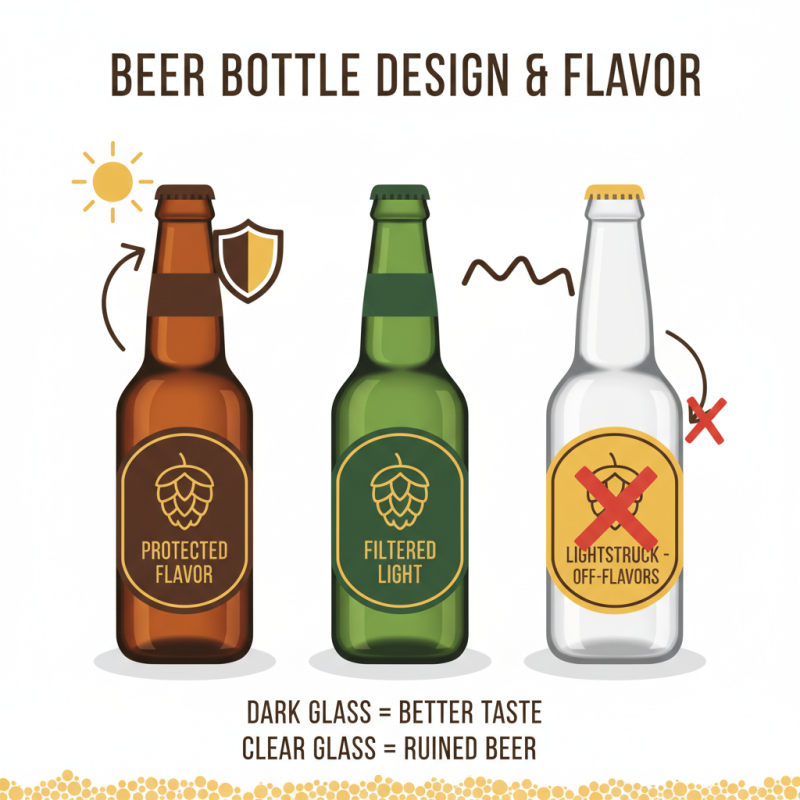
Richard O'Rourke, a prominent figure in the packaging industry, once stated, “The right bottle can enhance the beer's flavor.” His insight underscores the necessity of choosing quality beer bottles. For instance, dark glass helps prevent light exposure, which can cause skunking. This is vital for maintaining the intended taste profile and freshness.
Yet, not all producers prioritize bottle quality. Some use poor materials, leading to compromised flavors. This raises questions about industry standards. With the growth of craft beer, attention to detail in packaging is more crucial than ever. Insufficient focus on beer bottle quality could result in lost customers and diminished trust.
The Role of Beer Bottles in Brewing Processes
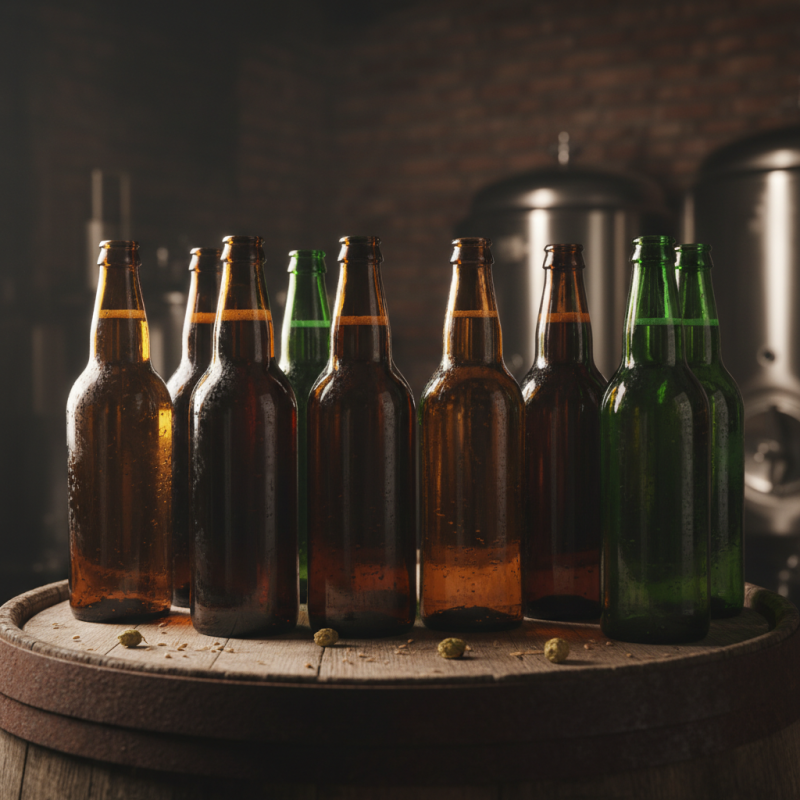
Beer bottles play a crucial role in the brewing process. They serve as containers for the finished product. The choice of materials impacts the beer's flavor and aroma. Glass is popular due to its non-reactive nature. However, not all glass is created equal. Dark-colored bottles protect beer from light. This guards against chemical reactions that can spoil the taste.
Brewers must consider bottle size too. Smaller bottles encourage faster consumption. Larger bottles are perfect for sharing. But there’s a risk of oxidation. Oxygen can enter the bottle and degrade the quality. Caps must be airtight to prevent this. Craftsmanship in bottling is essential. Think about those bagged beers. They often fare poorly. They lack the seal that a proper bottle provides.
Interestingly, even with the best technology, mistakes happen. Some bottles break during transport. Others may not seal properly. These flaws lead to wasted product. Reflecting on this, brewers often experiment with new techniques and materials. The quest for the perfect bottle continues, revealing brewing as both science and art.
Types of Beer Bottles and Their Characteristics
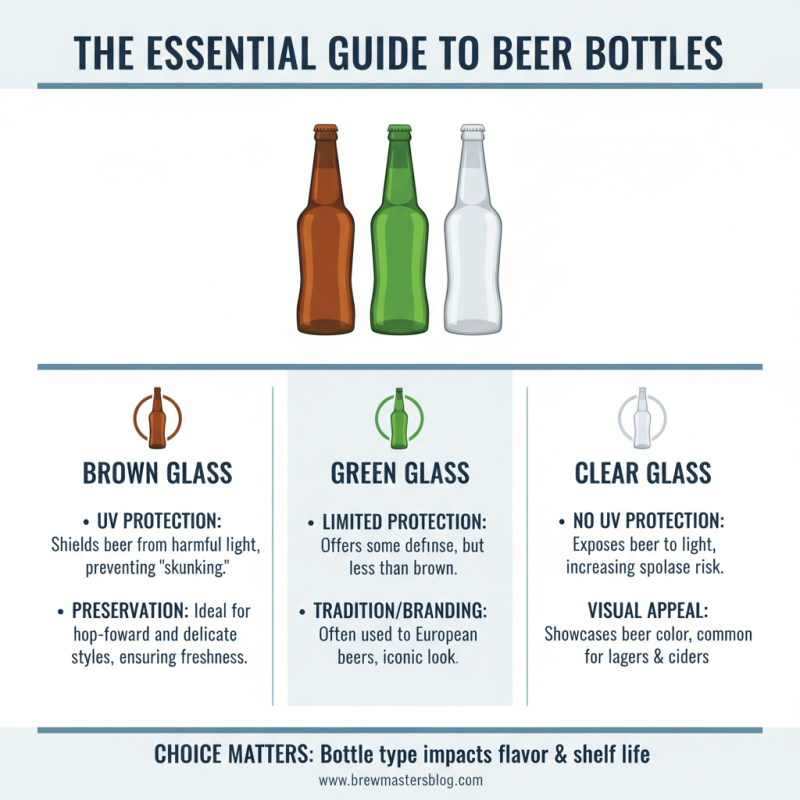
Beer bottles play a crucial role in brewing and preserving beer. Different types of bottles cater to various needs and preferences. The most common types include brown, green, and clear glass bottles.
Brown bottles are the most popular. They block UV light that can spoil beer. Green bottles are visually appealing but let in some light, which may affect flavor over time. Clear bottles showcase the beer’s color but are the least protective against light damage. Each type has its strengths and weaknesses, which brewers must consider.
Tips: When choosing bottles, think about the beer style. Dark beers benefit from brown bottles for better preservation. If you’re brewing pale ales, use a light-blocking option. Always inspect bottles for cracks before use; they can spoil your batch.
Moreover, think about the closures. Crown caps are standard, but corks can add a different aesthetic. Bottles with corks can also be reused, leading to potential contamination if not cleaned properly. Always reflect on your choices and their potential impacts on quality.
Impact of Bottle Design on Beer Flavor and Quality
The design of beer bottles plays a crucial role in influencing the overall flavor and quality of the brew within. Different shapes and colors of bottles can alter how light interacts with the beer, affecting its taste. Dark glass bottles are preferred because they protect the beer from UV light, which can cause off-flavors. That's why many brewers choose amber or green glass. In contrast, clear bottles allow light to penetrate, possibly leading to unwanted reactions.
Additionally, bottle shape impacts the carbonation and overall aesthetics. A wider neck can create a larger surface area for aroma release, enhancing the drinking experience. The weight of the bottle can also affect how the beer feels in hand. Are heavier bottles better? Some argue they convey quality, but they can be awkward to handle. A poorly designed bottle can lead to problems like flat beer or spoilage due to improper sealing.
Choosing the right bottle is more than just practicality. It’s an art form that requires careful consideration. Each design choice has consequences, and sometimes, brewers face unexpected results. The importance of bottle design in the brewing process can easily be overlooked, yet it holds significant impact on the final product. Reflecting on these choices can help brewers improve their craft and connect more with their audience.
Preservation of Beer: How Bottles Protect Against Spoilage
Beer preservation is a crucial aspect of brewing. Glass bottles offer excellent protection against spoilage. They shield beer from light, which can cause off-flavors. According to the Brewers Association, light exposure can create skunky flavors in less than 30 minutes. This is why amber or dark bottles are preferred. They help maintain the beer’s integrity.
Besides light protection, bottles also limit oxygen exposure. Oxygen can lead to oxidation, affecting flavor and aroma. A study by the American Society of Brewing Chemists shows that even minimal oxygen contact can degrade beer quality. That's why proper sealing and packaging matter tremendously.
Not all bottles are created equal. Some may have imperfections that allow air leaks. These inconsistencies can shorten the beer’s shelf life. Brewers often face challenges when it comes to ensuring optimal packaging. Every detail matters in preserving the rich flavors and aromas that craft brewers strive to achieve. Balancing cost, quality, and sustainability is an ongoing concern in the industry.
Importance of Beer Bottles in Brewing and Preservation
Environmental Considerations of Beer Bottle Use and Recycling
The impact of beer bottle use on the environment is significant. Many bottles end up in landfills, contributing to waste. Each year, millions of tons of glass are thrown away. This waste harms ecosystems and wildlife. Recycling can help minimize this issue, but not all bottles are recycled properly. It’s essential to raise awareness.
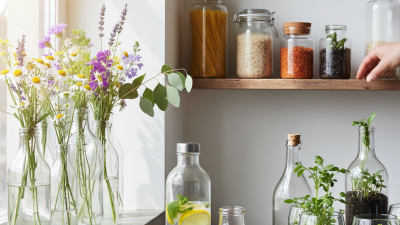
Beer bottles can be reused. They might have a second life as creative home decor. Some breweries promote refillable bottles. This reduces the need for new glass production. However, not all consumers are aware of these options. Many still prefer single-use bottles, which creates additional waste.
Education is vital here. People need to understand proper recycling habits. Simple practices can lead to significant changes. Communities should encourage local recycling initiatives. At the same time, breweries should share their sustainable practices. This creates transparency and a culture of responsibility. Together, we can make more informed choices about beer bottle usage.

 +86 183 6377 3366
 Contact Email