What is a Glass Soda Bottle and Why is it Popular?
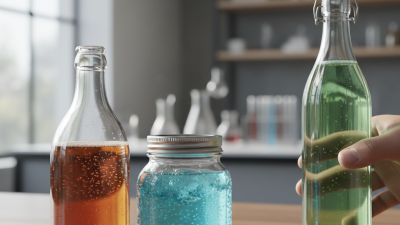
The Glass Soda Bottle has become a beloved choice among consumers today. Its nostalgic appeal resonates with many, invoking memories of classic diners and soda fountains. Often perceived as a symbol of quality, it stands out among various beverage containers. The unique design of a glass soda bottle enhances the overall drinking experience. It is not just a vessel; it reflects tradition and craftsmanship.
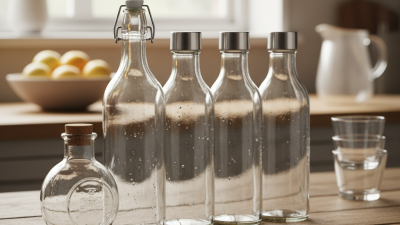
With its smooth surface and cool touch, the glass soda bottle feels substantial in hand. The clinking sound it makes when opening is a delightful reminder of simpler times. While plastic bottles dominate the market, glass offers a refreshing alternative. However, some people still prefer the convenience of plastic. This raises questions about sustainability and consumer choice.
The popularity of glass soda bottles sparks discussions about environmental impact and health. Many believe that glass bottles preserve taste and carbonation better than their plastic counterparts. However, the fragility of glass poses risks. In a world rushing towards convenience, the glass soda bottle stands as a testament to enduring values. Embracing this vintage packaging means considering its role in our modern lives.
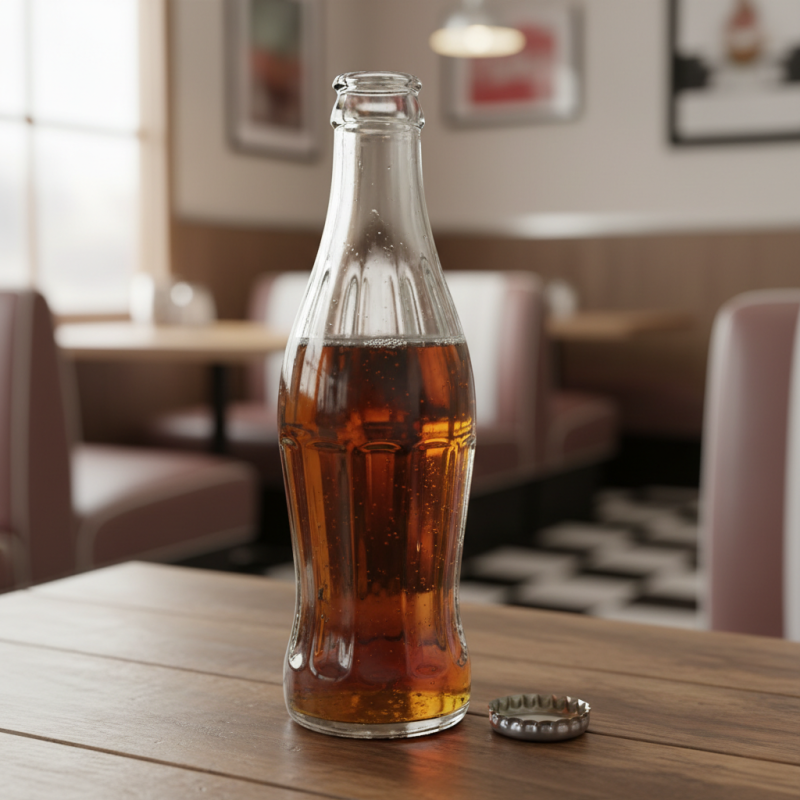
What is a Glass Soda Bottle?
A glass soda bottle is a beverage container made primarily from silica sand, soda ash, and limestone. This traditional packaging has made a significant comeback. Its sleek design and durability attract both manufacturers and consumers. In recent years, the production of glass bottles has increased by 5% annually, according to industry reports. Many people prefer glass due to its recyclability and non-reactivity with beverage contents.
The resurgence of interest in glass soda bottles can be attributed to health concerns. Many sodas in plastic are perceived to leach chemicals, raising environmental and health issues. A survey indicated that 70% of consumers feel glass is safer than plastic. Furthermore, glass bottles maintain carbonation better than their plastic counterparts. This means a more enjoyable taste experience for consumers.
While glass is heavier, leading to increased transportation costs, its advantages often outweigh the downsides. Some consumers argue that glass bottles feel more premium. However, the recycling process for glass can be more energy-intensive than for plastics. This paradox challenges both manufacturers and consumers. The balance between sustainability and practicality remains a crucial discussion in the beverage industry.
What is a Glass Soda Bottle and Why is it Popular?
| Attribute |
Details |
| Material |
Glass |
| Capacity Options |
250ml, 500ml, 1L |
| Recyclability |
100% recyclable |
| Insulation |
Good thermal insulation |
| Popularity Reasons |
Eco-friendly, premium feel, taste preservation |
| Design Variations |
Vintage, modern, colorful |
| Common Uses |
Soft drinks, flavored water, cocktails |
The History of Glass Soda Bottles
The history of glass soda bottles dates back to the 19th century. In 1825, the first known glass soda bottle was introduced. It featured a unique design that allowed for carbonation preservation. This innovation made soda drinks more enjoyable and accessible. Bottled soda quickly gained popularity among consumers.
During the early 1900s, glass bottles became essential for beverage companies. They provided a reliable way to seal and store carbonated drinks. Many consumers preferred the taste of soda from glass bottles. This preference contributed to the rise of the glass bottle industry.
Despite their popularity, glass bottles have drawbacks. They can break easily, posing safety risks. Additionally, weight is a concern for transport and recycling. Many people still value the classic feel of a glass soda bottle. It evokes nostalgia and adds a special touch to the beverage experience.
Popularity of Glass Soda Bottles Over the Decades
Advantages of Using Glass Soda Bottles
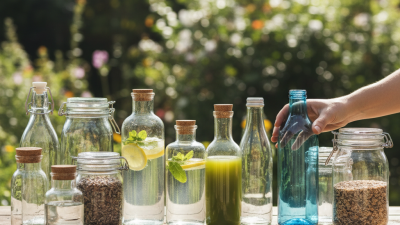
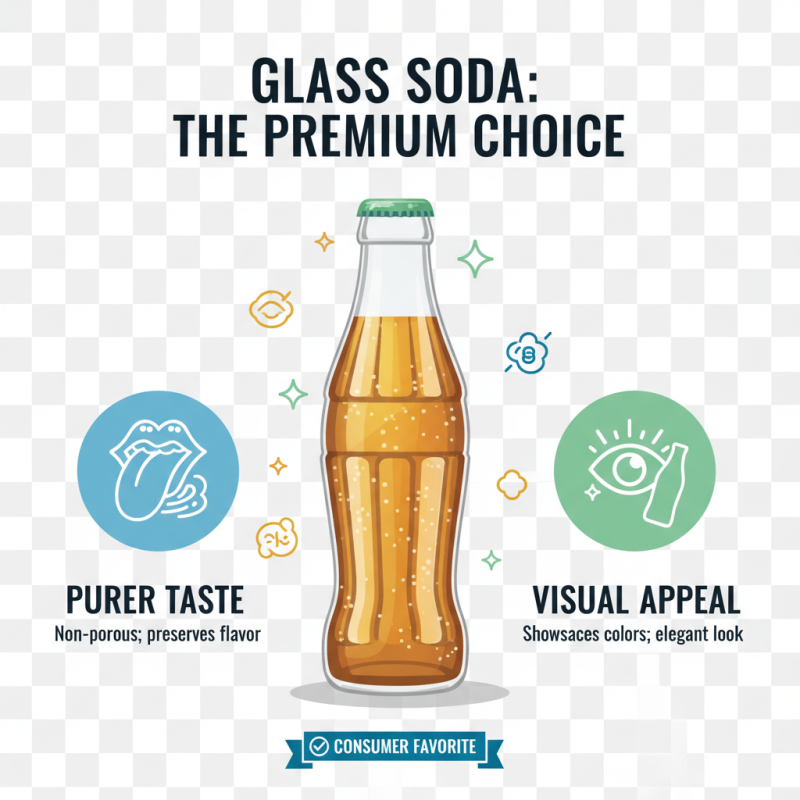
Glass soda bottles have gained popularity for several compelling reasons. One key advantage is their ability to preserve flavor. Many drink enthusiasts believe that glass keeps the soda's taste intact. The non-porous material does not absorb flavors like plastic can. Consumers appreciate this aspect when choosing their beverages. Additionally, glass bottles provide a visual appeal. Their clear surfaces showcase the vibrant colors of the soda inside. This aesthetic quality can enhance the overall drinking experience.
Sustainability is another crucial factor. Glass is recyclable and can be reused many times. This feature attracts environmentally conscious consumers. While glass bottles can be heavier than plastic, people often choose them for special occasions. They evoke a sense of nostalgia and elegance. However, the fragility of glass is a real concern. Handling these bottles requires care, which might deter some users. Yet, for many, the advantages outweigh these risks. The charm of sipping soda from a glass bottle remains irreplaceable for numerous individuals.
Environmental Impact of Glass Soda Bottles
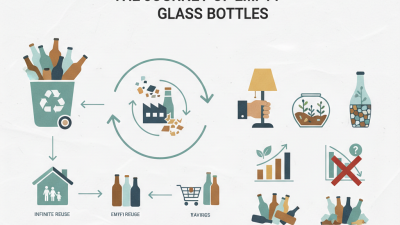
Glass soda bottles have gained popularity not only for their nostalgic appeal but also due to their environmental impact. According to the Container Recycling Institute, glass is infinitely recyclable. This means that each bottle can be recycled without losing its quality. In contrast, plastic bottles degrade in quality with each recycling cycle. A study from the Massachusetts Institute of Technology found that switching from plastic to glass could significantly reduce the carbon footprint of beverage packaging.
The production of glass bottles uses raw materials like sand, soda ash, and limestone. While energy-intensive, their ability to be reused and recycled creates a more sustainable cycle. Once a glass bottle is recycled, it can return to store shelves in as little as 30 days. In fact, the recycling rate for glass containers in the U.S. is around 31.5%. This is much lower than aluminum, which stands at 50%. More awareness about the benefits of glass recycling is essential.
Tips for consumers: opt for glass bottles whenever possible. They create less waste and can even preserve taste better than plastic. Consider creating a home recycling plan for glass to ensure your bottles are recycled properly. Encourage local businesses to use glass packaging. Remember, every small choice contributes to reducing landfill waste.
Current Trends and Popularity Factors of Glass Soda Bottles
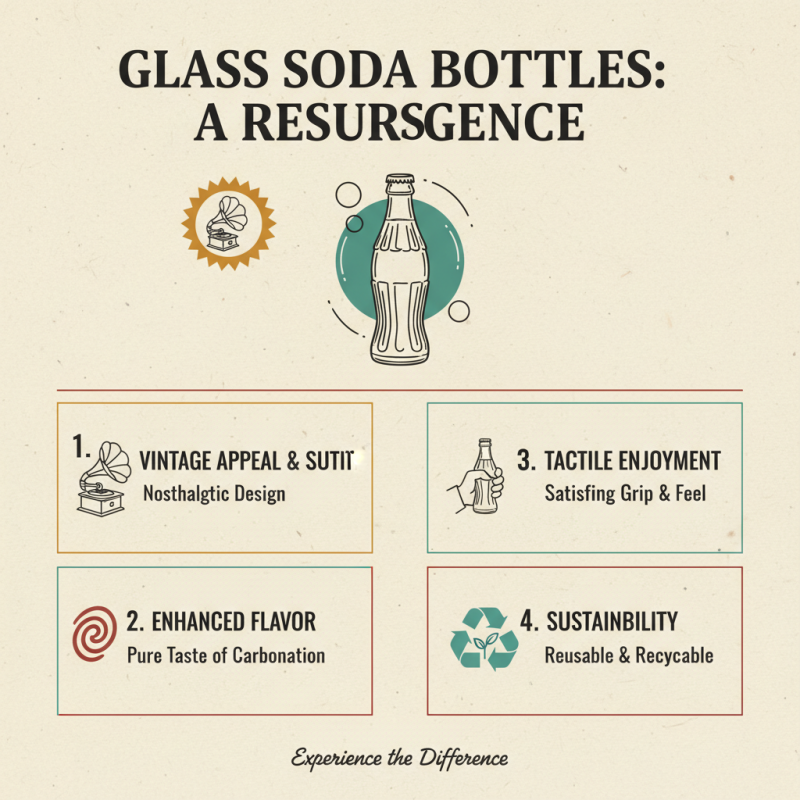
Glass soda bottles have seen a significant resurgence in recent years. Their vintage appeal attracts consumers looking for a more authentic drinking experience. People enjoy the way these bottles enhance the flavor of carbonated drinks. The tactile sensation of holding glass also adds to the overall enjoyment.
Sustainability is another key factor in their popularity. Many consumers are increasingly eco-conscious. Glass is recyclable, reducing environmental impact. This aligns with the growing trend toward sustainability in various industries. Additionally, the aesthetic value of glass bottles cannot be overlooked. They often feature artistic designs that appeal to collectors and casual drinkers alike.
However, there are drawbacks to using glass. They can break easily, creating safety concerns. This limits their use in certain environments, such as outdoor events. Some also find them heavier than plastic bottles, which can be inconvenient. These imperfections make glass bottles a topic of discussion among potential buyers. Balance between aesthetics and practicality remains a challenge.

 +86 183 6377 3366
 Contact Email