What is Glass Bottles and Their Uses in Everyday Life?
Glass bottles are a common sight in our everyday lives. They serve various purposes, from storing beverages to packaging food products. According to Jane Thompson, a glass packaging expert, "Glass bottles are timeless; they embody purity and sustainability." This statement highlights the enduring appeal and environmental benefits of glass bottles.
In recent years, consumers have shifted towards eco-friendly alternatives, increasing the popularity of glass bottles. These containers are not just functional; they present an aesthetic quality that plastic often lacks. When we drink from a glass bottle, we might appreciate the clarity and feel of the material. Yet, the industry faces challenges. Recycling rates for glass need improvement. Not every community has access to proper recycling facilities.
Moreover, the fragility of glass bottles can be a concern. They break easily, causing potential waste and danger. Companies must focus on innovation to tackle these issues. Investing in better recycling technologies and designing more durable products are essential steps. Overall, glass bottles are versatile but require thoughtful consideration to maximize their benefits for society and the environment.
What Are Glass Bottles? Definition and Composition
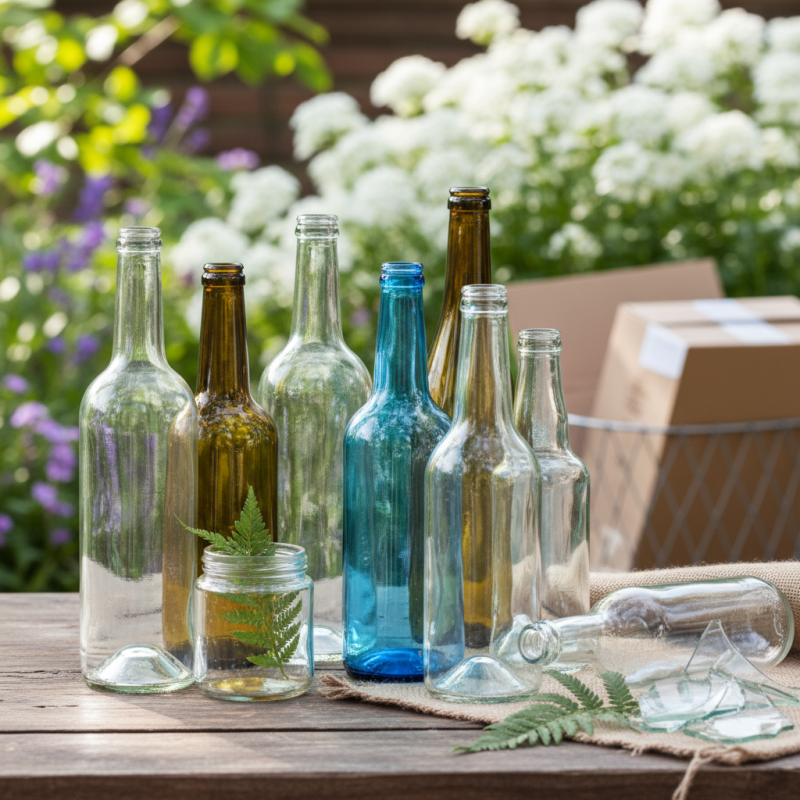
Glass bottles are containers made primarily of silica sand, soda ash, and limestone. This composition allows for a durable and recyclable product. According to industry reports, the global glass bottle market was valued at approximately $55 billion in 2021 and is expected to grow by a significant percentage annually. This growth underlines the widespread use of glass bottles in various sectors.
They are popular for packaging beverages, especially carbonated drinks and juices. The non-reactive nature of glass preserves the taste and quality of liquids. Also, glass bottles are 100% recyclable without losing quality. However, many consumers are unaware that not all glass is recycled effectively. It is estimated that around 30% of glass bottles end up in landfills each year, posing an environmental challenge.
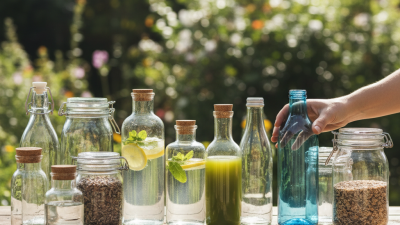
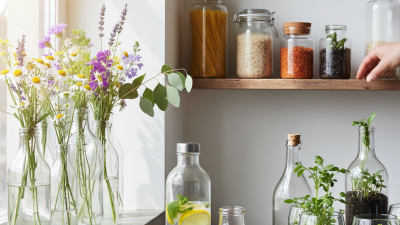
In daily life, glass bottles serve multiple purposes. They can be used for storage, decoration, or crafting. Some people repurpose them into vases or candle holders. However, the disposal process is often flawed. Many individuals still toss glass into regular trash bins. This can hinder recycling efforts and contribute to waste. Awareness about proper recycling and repurposing techniques can help mitigate this issue. Factors like convenience and lack of knowledge impact effective recycling practices.
Historical Development of Glass Bottles in Different Cultures
Glass bottles have a rich history across different cultures. Their development showcases human ingenuity and adaptability. Ancient civilizations, like the Egyptians, crafted glass bottles as early as 1500 BC. These early bottles were used for storing perfumes and precious oils. They were often decorated with intricate designs. This craftsmanship reflected the status of their owners.
In the Roman era, glassblowing techniques improved dramatically. Romans created a wider variety of bottle shapes and sizes. These bottles became common household items. They were often used for wine and oils, facilitating trade and storage. However, not all bottles survived the test of time. Many were lost due to wars, natural disasters, or neglect.
Tips: When choosing glass bottles for storage, consider their size and shape. Ensure they fit your needs. For safety, avoid using damaged bottles. They can break easily. Reflect on the impact of glass on our environment. Recycle whenever possible to reduce waste.
Key Advantages of Using Glass Bottles Over Plastic Alternatives
Glass bottles have gained popularity in recent years, especially in environments conscious of sustainability. One major advantage is their recyclability. According to data from the Glass Packaging Institute, glass can be recycled endlessly without losing quality. This stands in stark contrast to plastic, which degrades after few cycles. More than 80% of glass bottles are recyclable, promoting a circular economy that reduces waste.
Another key reason is safety. Glass is non-toxic. Studies show that harmful chemicals leach from plastic containers, posing health risks over time. In 2020, the World Health Organization reported increasing concerns about plastic contaminants in food and beverages. Glass keeps drinks pure and untainted. It retains flavors better than plastic, enhancing the drinking experience.
Sustainability is a hot topic now. Yet, glass does have drawbacks. It’s heavier, which increases transportation emissions. Additionally, breakage can be an issue in busy households. However, the environmental impact of glass should not be overlooked. Every glass bottle recycled saves energy and reduces CO2 emissions. Choosing glass over plastic can spark a change. Small shifts in habits matter.
Common Uses of Glass Bottles in Food and Beverage Industry
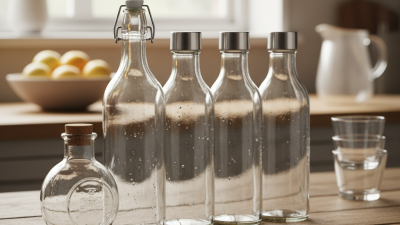
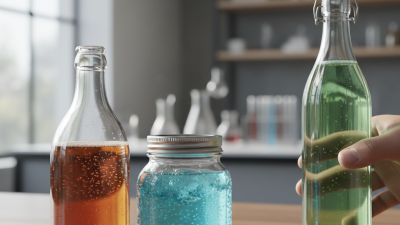
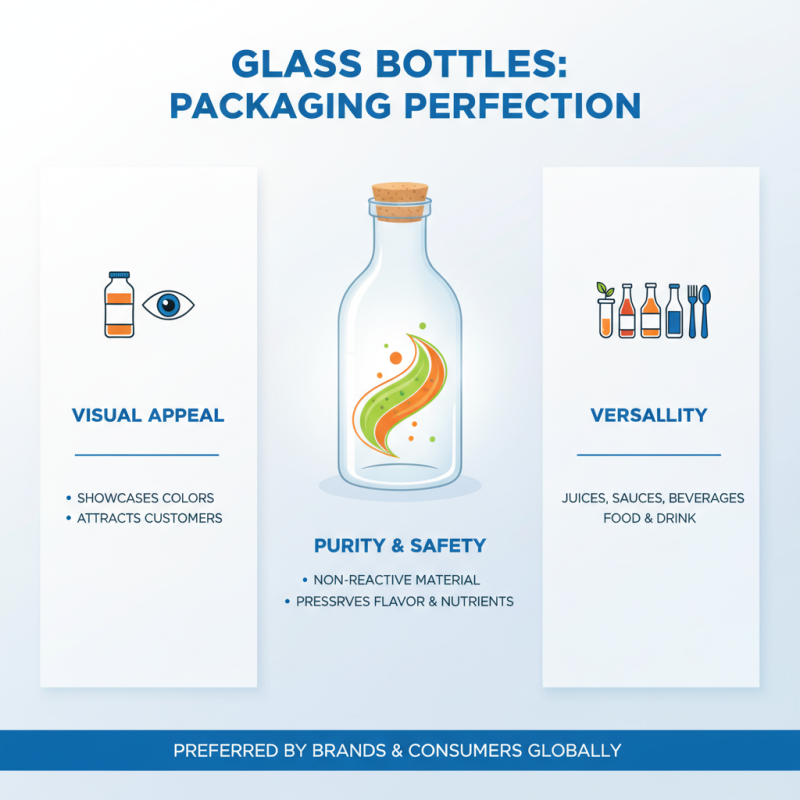
Glass bottles play a significant role in the food and beverage industry. They are used for packaging everything from juices to sauces. The clarity of glass showcases the vibrant colors of beverages, attracting customers. Moreover, glass bottles are non-reactive, ensuring that contents remain pure.
One common use is for soft drinks. These bottles maintain carbonation effectively, providing a refreshing fizz. Yet, many consumers overlook recycling. Not every bottle makes it back into the cycle. This reflects a gap in our environmental responsibility.
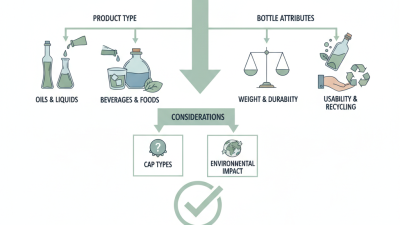
Another example is in the storage of oils and vinegars. Glass preserves flavors better than plastic. However, not all bottle designs are ergonomic. Some can be cumbersome, leading to spills. These design flaws remind manufacturers that user experience is crucial in packaging.
Recycling and Sustainability: The Environmental Impact of Glass Bottles
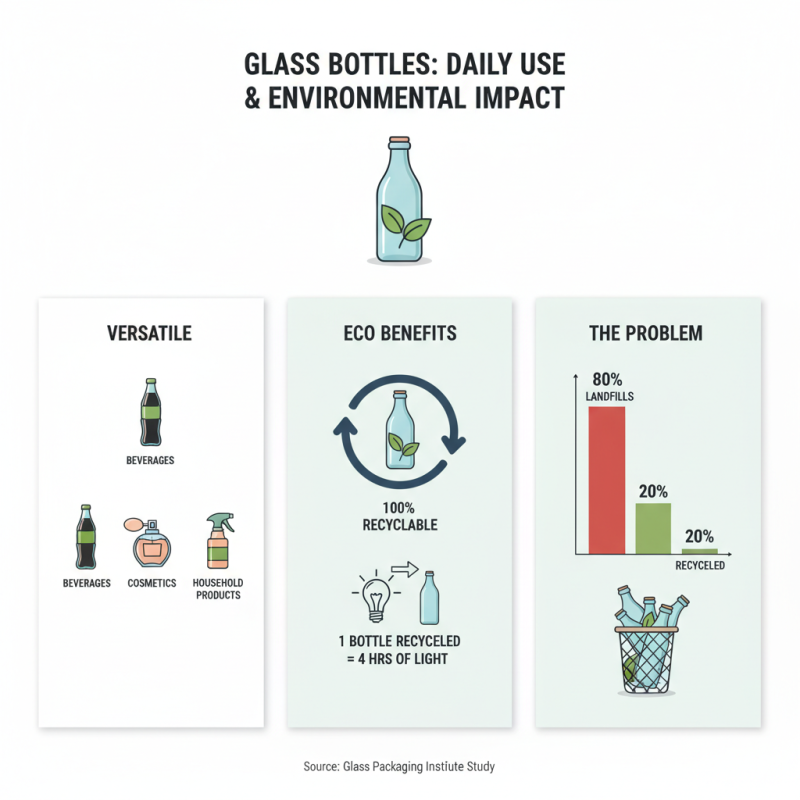
Glass bottles play a significant role in our daily lives. They are used for beverages, cosmetics, and household products. However, their environmental impact is a growing concern. A study by the Glass Packaging Institute found that glass bottles are 100% recyclable, and recycling just one glass bottle can save enough energy to power a light bulb for four hours. Yet, despite these benefits, nearly 80% of glass bottles still end up in landfills.
Recycling glass bottles can help reduce waste and lower carbon emissions. According to the Environmental Protection Agency, recycling glass instead of making new glass can save 26% of the energy required. However, the process can be improved. Many consumers are unaware of local recycling regulations, leading to contamination in recycling bins. The result? A significant portion of potentially recyclable glass is discarded improperly. This calls for more awareness and education on recycling practices.
Sustainability is not just a trend; it's a necessity. The lifecycle of glass bottles often begins with mining raw materials, like sand and limestone. This process can lead to environmental degradation. Transitioning to a circular economy could greatly reduce these impacts. Adopting more sustainable practices in manufacturing and increasing recycling participation are essential steps towards minimizing the environmental footprint of glass bottles.

 +86 183 6377 3366
 Contact Email