Why Are Beer Bottles the Preferred Choice for Craft Breweries?
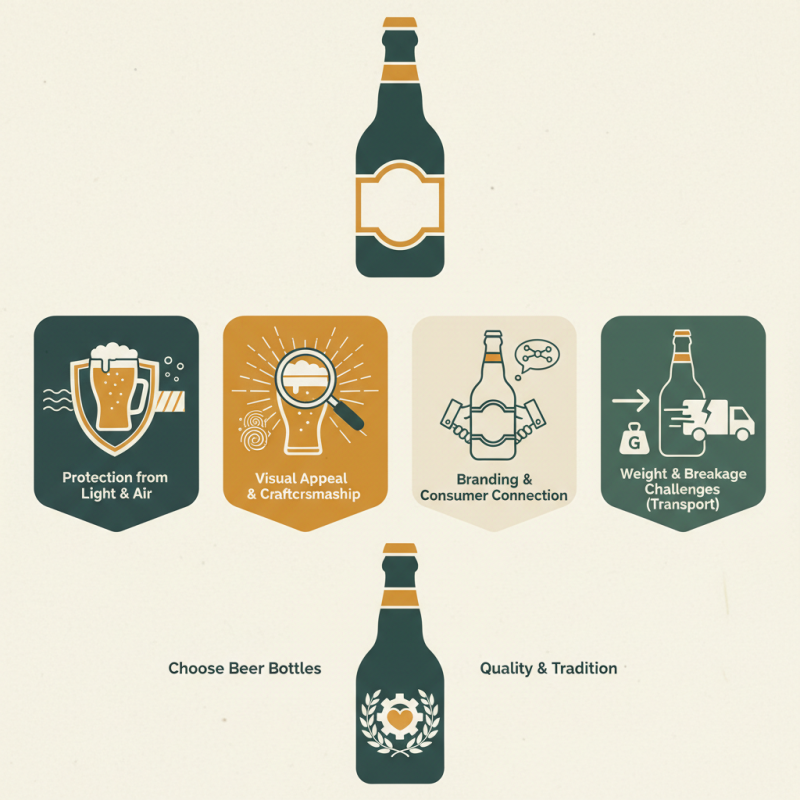
Craft breweries have gained immense popularity in recent years. Among various packaging options, beer bottles stand out as a favored choice. Beer bottles are not only traditional but also practical. They offer a protective environment for the craft beer inside. Light and air can spoil the flavor of delicate brews. Therefore, using beer bottles helps maintain the integrity of these unique flavors.
Additionally, beer bottles provide visual appeal. The glass enhances the beer's color, showcasing its rich hues. This invites consumers to appreciate the craftsmanship involved in brewing. Craft breweries can offer a story through their labels, connecting with customers on a personal level. Such branding fosters loyalty and encourages repeat purchases.
However, this preference for beer bottles is not without considerations. Some breweries face challenges in terms of weight and breakage. Transporting glass bottles can be more demanding than cans. Despite these drawbacks, many breweries remain committed to this timeless packaging choice. They believe that beer bottles enhance the overall experience of enjoying craft beer. Ultimately, the choice reflects a dedication to quality and tradition.
The Historical Context of Beer Packaging Choices
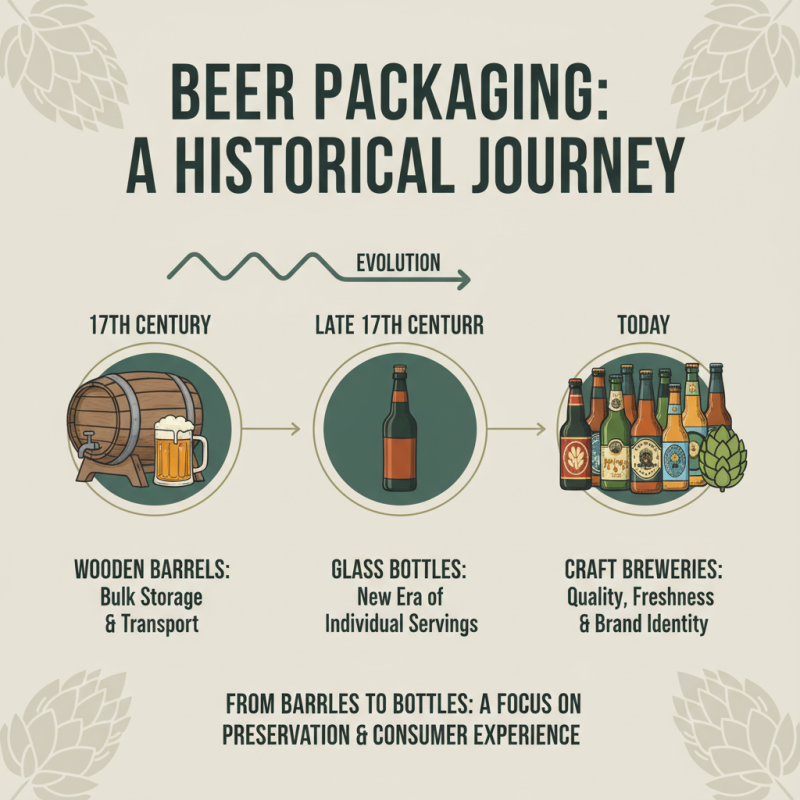
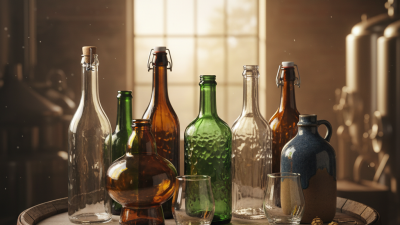
The journey of beer packaging has evolved significantly over time. Initially, beer was often stored in wooden barrels. However, the advent of glass bottles in the late 17th century marked a turning point. Today, beer bottles are the preferred choice among craft breweries for many reasons.
One reason is the protection that glass offers. Beer is sensitive to light and temperature. According to a 2021 report by the Brewers Association, 60% of craft brewers cite bottle integrity as a key factor in maintaining quality. Moreover, glass is non-reactive, preserving the beer’s flavor profile. While some argue that cans are lighter and more portable, many consumers associate bottles with quality and tradition.
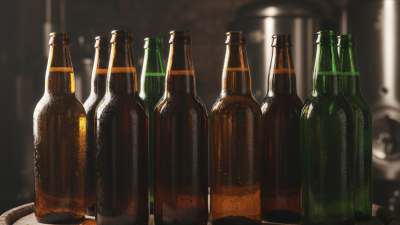
Tips: Consider using dark glass for your brews. This can shield beer from light exposure, reducing spoilage. Additionally, educate your customers about the benefits of bottle packaging. Transparency builds trust.
The historical context reflects a deeper consumer connection. Many craft breweries aim to evoke nostalgia and heritage. A 2020 study revealed that 70% of consumers are drawn to brands that tell a story. Craft beer is not just about flavor; it’s about experience. Yet, some contend that reliance on traditional packaging may limit innovation. Balancing history with modernity is crucial for future success.
The Advantages of Beer Bottles Over Cans in Craft Brewing
Beer bottles are often favored by craft breweries due to several distinct advantages. The material of glass is inert, meaning it does not leach chemicals into the beer. This preserves the taste and aroma, vital for craft brews that emphasize flavor intensity. According to the Brewers Association, about 65% of craft beer is sold in bottles. This statistic highlights a strong preference among consumers and brewers alike.
Light exposure is another key reason for choosing bottles. Unlike cans, glass provides better protection against UV rays that can degrade beer. This is particularly important for hop-forward styles, where maintaining freshness is crucial. A study indicated that beers in cans often have a shorter shelf life due to this light exposure factor. Many breweries recognize that bottles enhance their product’s overall quality.
However, sustainability must also be considered. Bottles are heavier, increasing shipping costs and carbon footprints. This creates a dilemma for breweries striving for eco-friendliness. While consumers appreciate the aesthetic of bottles, they may also increasingly demand greener packaging. There's a growing conversation around this issue, as craft brewers want to balance tradition with environmental responsibility.
Consumer Perception and Branding in Bottle Packaging
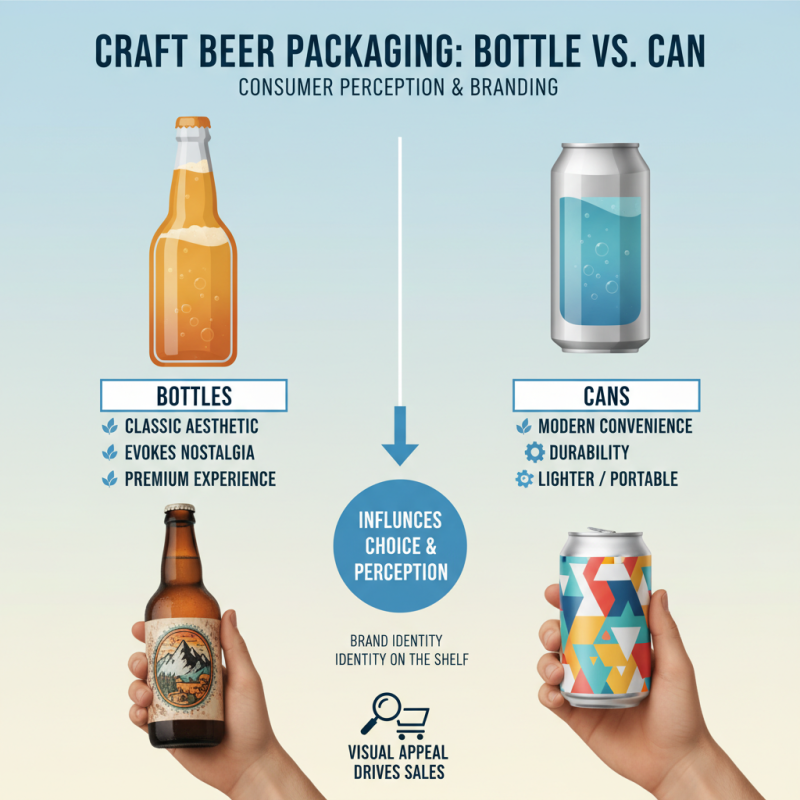
Craft breweries often opt for beer bottles, significantly impacting consumer perception. Bottles have a classic aesthetic that evokes nostalgia. This experience can be more appealing than alternatives, like cans. The sight of a well-designed bottle can draw attention on a crowded shelf, showcasing the brand’s identity.
Consumers associate bottles with quality and tradition. The tactile engagement of holding a glass bottle feels substantial. Labels can convey intricate stories about the brewing process and ingredients. However, not every bottle design succeeds. Some may appear cluttered or uninspired, leading to a disconnect with potential buyers. Craft breweries must balance creativity and clarity in their branding.
Environmental concerns also play a role. Many individuals prefer recyclable glass. Yet, breweries must consider the carbon footprint of transport. Glass is heavier than aluminum, impacting shipping costs and sustainability. Despite challenges, bottles continue to hold a unique position in the craft beer market, reflecting both tradition and innovation.
Environmental Considerations in Beer Packaging Decisions
Craft breweries increasingly prefer glass beer bottles for their environmental appeal. Glass is fully recyclable and can be reused many times without losing quality. According to the Glass Packaging Institute, over 80% of glass containers are recycled in the U.S. This statistic highlights glass’s potential to reduce waste.
However, using glass comes with its environmental challenges. The production of glass requires significant energy, typically generated from fossil fuels. A report from the U.S. Environmental Protection Agency indicates that glass manufacturing contributes to greenhouse gas emissions. Craft breweries must weigh these emissions against the benefits of choosing recyclable materials.
Despite glass's recyclability, many craft breweries still use plastic. Plastic is lightweight and more energy-efficient to produce. However, it poses substantial recycling issues. According to the National Recycling Coalition, only 9% of plastic is recycled in the U.S. This comparison raises questions. Are breweries truly prioritizing sustainability? The craft beer industry faces a critical decision: balancing packaging choices with genuine environmental responsibility.
Craft Beer Packaging: Preferences and Environmental Impact
The Role of Bottle Design in Craft Brewery Marketing Strategies
The design of beer bottles plays a critical role in craft brewery marketing. A unique bottle shape can set a brewery apart from competitors. Many breweries experiment with colors, labels, and textures. These distinctions grab attention on crowded shelves. Glass bottles are often viewed as premium, conveying quality to consumers.
Craft breweries often reflect their identity through bottle design. An artistic label can tell a story about the beer inside. It also connects with consumers emotionally. A well-designed bottle encourages customers to explore the product. Conversely, a poorly designed bottle can diminish perceived value.
However, not all breweries succeed in bottle design. Some may focus too much on aesthetics and neglect functionality. A bottle that is difficult to open can frustrate consumers. Ultimately, the balance between beauty and practicality is essential. Craft breweries must continually reflect on their designs, ensuring they enhance the overall experience.
Why Are Beer Bottles the Preferred Choice for Craft Breweries? - The Role of Bottle Design in Craft Brewery Marketing Strategies
| Design Element |
Impact on Marketing |
Consumer Perception |
Sustainability Considerations |
| Label Design |
Enhances brand identity and attractiveness |
Influences first impressions and brand recall |
Use of eco-friendly materials increasing |
| Bottle Shape |
Creates uniqueness and stands out on shelves |
Associates with premium quality products |
Recyclable glass preferred over plastic |
| Color Choice |
Reflects brand values and weathered tradition |
Dark bottles protect beer quality; light bottles attract attention |
Less energy for production compared to cans |
| Cap Type |
Consistent with authenticity and craft experience |
Perceived higher quality with corks |
Metal caps are easily recyclable |
| Size Variations |
Offers options for different markets and occasions |
Appeals to diverse consumer preferences |
Promotes smaller formats for sampling and reducing waste |

 +86 183 6377 3366
 Contact Email